

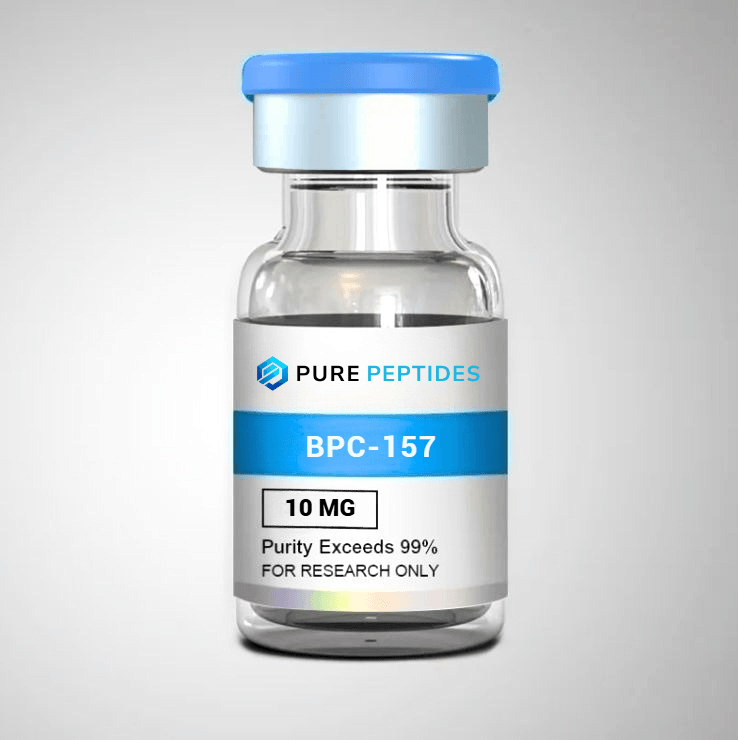
Overview
BPC-157 (Body Protection Compound-157) is a synthetic 15-amino-acid peptide fragment derived from a protective protein found in human gastric juice (Body Protection Compound). It is highly stable in gastric acid and is widely used in laboratory and preclinical research as a model compound to investigate tissue regeneration, angiogenesis, anti-inflammatory pathways, gastrointestinal protection, and related healing mechanisms in various in vitro and animal model systems.
Research Applications (Observational Data from Published Studies) The following points summarize observations reported in scientific literature (predominantly preclinical rodent/rat models; no large-scale human clinical trials have been approved) and are provided solely for informational and research-planning purposes:
- Tissue Repair and Musculoskeletal Injury Models: In rat models of Achilles tendon transection, muscle crush injury, ligament transection, and skeletal muscle damage, BPC-157 administration dramatically accelerated functional recovery, increased angiogenesis (VEGF expression), enhanced fibroblast migration/proliferation, and improved collagen organization and tensile strength.
- Gastrointestinal Protection and Healing Research: In rodent models of NSAID-induced damage, ethanol-induced gastric lesions, inflammatory bowel disease (TNBS/DNBS colitis), fistulas, and short bowel syndrome, BPC-157 exhibited potent protection of the endothelium, rapid healing of ulcers, reduction in inflammatory infiltrates, and restoration of gut barrier integrity.
- Neuroprotection and CNS Injury Studies: In rat models of traumatic brain injury, spinal cord compression, stroke (MCAO), and cuprizone-induced multiple sclerosis-like damage, BPC-157 reduced brain edema, preserved dopamine/serotonin systems, improved motor function, and counteracted neuroinflammation and oxidative stress.
- Anti-Inflammatory and Systemic Effects Research: Across multiple rat inflammatory models (carrageenan, adjuvant arthritis, ischemia-reperfusion), BPC-157 consistently downregulated pro-inflammatory cytokines (TNF-α, IL-6), modulated NO signaling, inhibited leukocyte activation, and promoted resolution of inflammation.
Important Legal Disclaimer For laboratory research use only. Not for human or veterinary use. Not for diagnostic, therapeutic, cosmetic, or food purposes. Not approved by the FDA or any regulatory agency. Researchers are responsible for compliance with all applicable laws and institutional guidelines.
Chemical Information
- Sequence: Gly-Glu-Pro-Pro-Pro-Gly-Lys-Pro-Ala-Asp-Asp-Ala-Gly-Leu-Val (GEPPPGKPADDAGLV)
- Common Name: BPC-157, PL 14736, Bepecin
- Molecular Formula: C₆₂H₉₈N₁₆O₂₂
- Molecular Weight: 1419.54 g/mol
- CAS Number: 137525-51-0
- PubChem CID: 17757869
Loading...